News & Insights
Inside Colors Art: How We Control Inkjet Canvas Quality from Coating to Printing
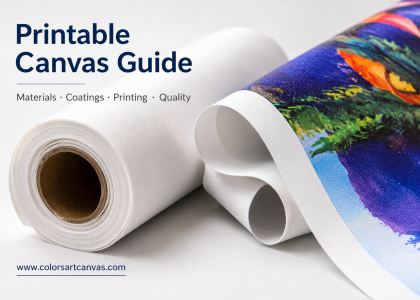
Consistent inkjet canvas quality is not determined by one specification alone. For professional large-format printing, the performance of a printable canvas depends on the combined effect of the base fabric, coating formulation, surface texture, ink absorption, printing technology and production consistency.
At Colors Art, printable canvas development and production involve multiple stages — from material selection and coating production to actual printing evaluation and bulk roll manufacturing. The goal is not simply to create a good sample, but to maintain reliable performance for professional printing customers during regular production.
1. Printable Canvas Quality Starts with the Base Material
The canvas base has a direct influence on surface texture, flexibility, dimensional stability and the final appearance of the print. Polyester, poly-cotton and 100% cotton canvas each offer different characteristics, and the best choice depends on the printing technology and final application.
Polyester canvas is widely used in commercial printing because of its consistent synthetic construction and stable production performance. Poly-cotton combines polyester and cotton fibers to provide a balance between textile character and production stability. 100% cotton canvas offers a more natural fabric appearance and is often selected when buyers prefer a traditional canvas feel.
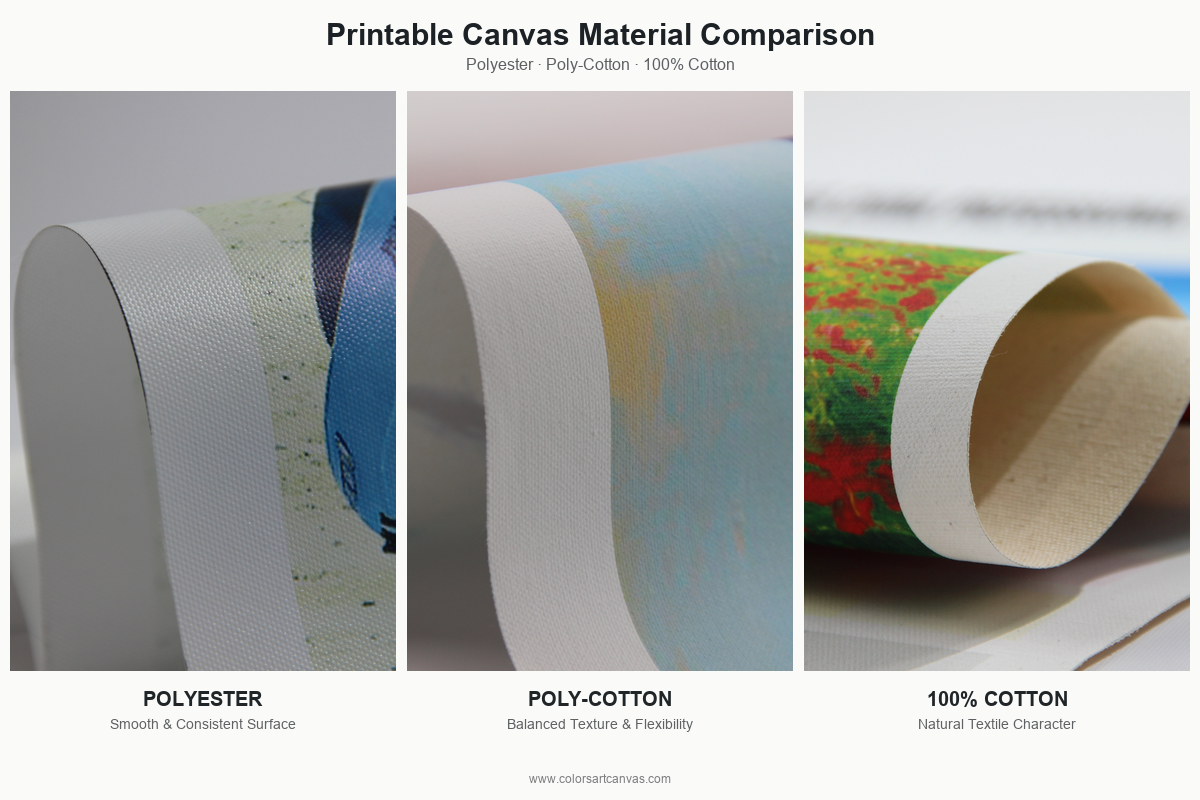
Choosing between polyester, poly-cotton and 100% cotton printable canvas is therefore not simply a matter of deciding which material is “better.” The correct choice depends on the required surface appearance, stretching performance, printing technology and production cost.
2. Coating Formulation Is Critical to Printing Performance
The base fabric is only one part of a professional printable canvas. The coating applied to the surface plays a major role in determining ink absorption, color density, image sharpness, surface finish and compatibility with different printing technologies.
Two canvas products with similar material composition and GSM can still perform very differently when their coating systems are different. This is why printable canvas should not be evaluated by weight alone.
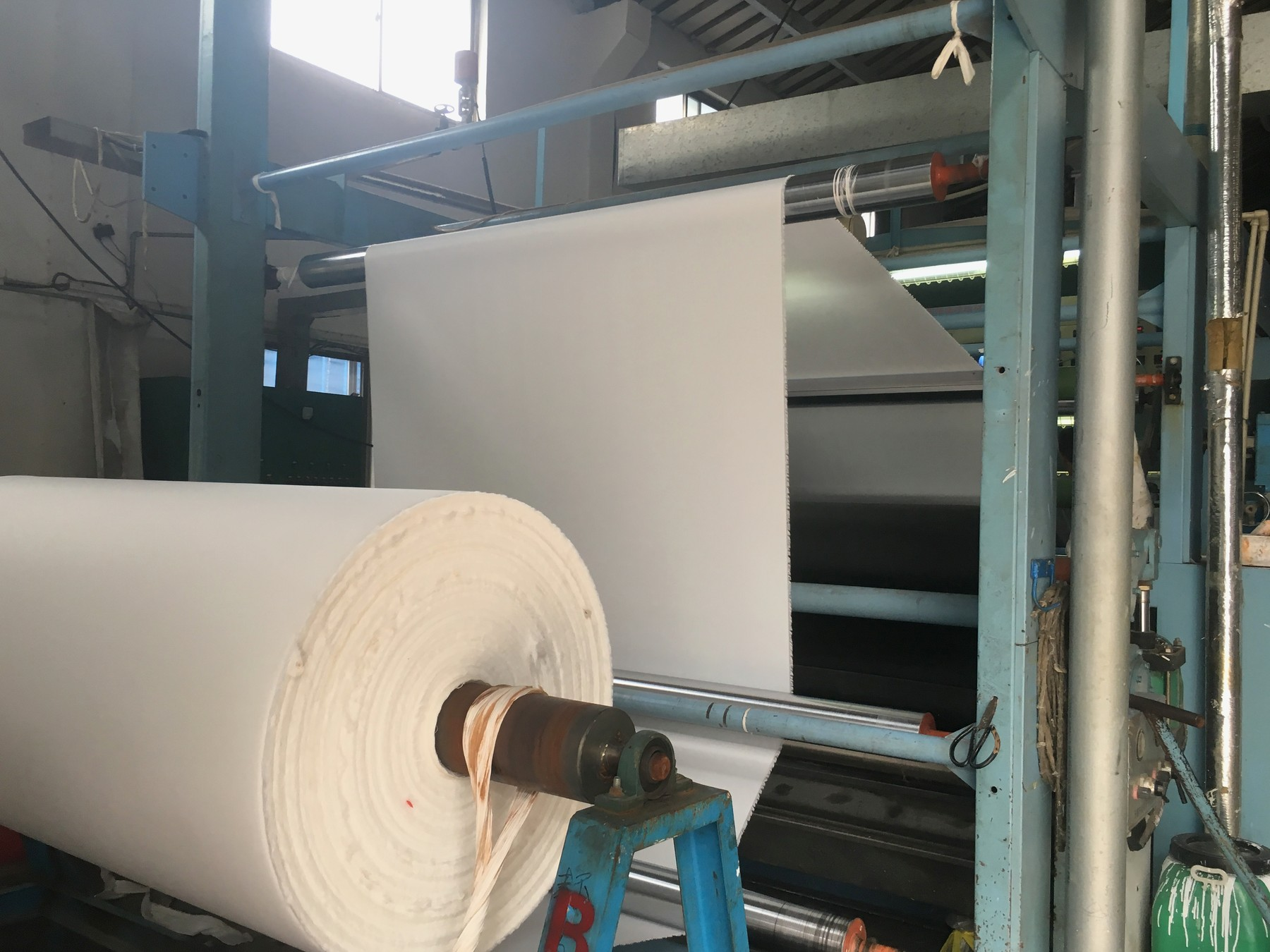
During production, the coating process must be controlled carefully to help maintain a stable printable surface. Coating application, drying conditions and surface uniformity all influence the final printing result.
3. Real Printing Tests Help Verify Canvas Performance
A technical specification sheet can describe material, GSM, width and other basic parameters, but it cannot fully show how a canvas will perform on an actual printer.
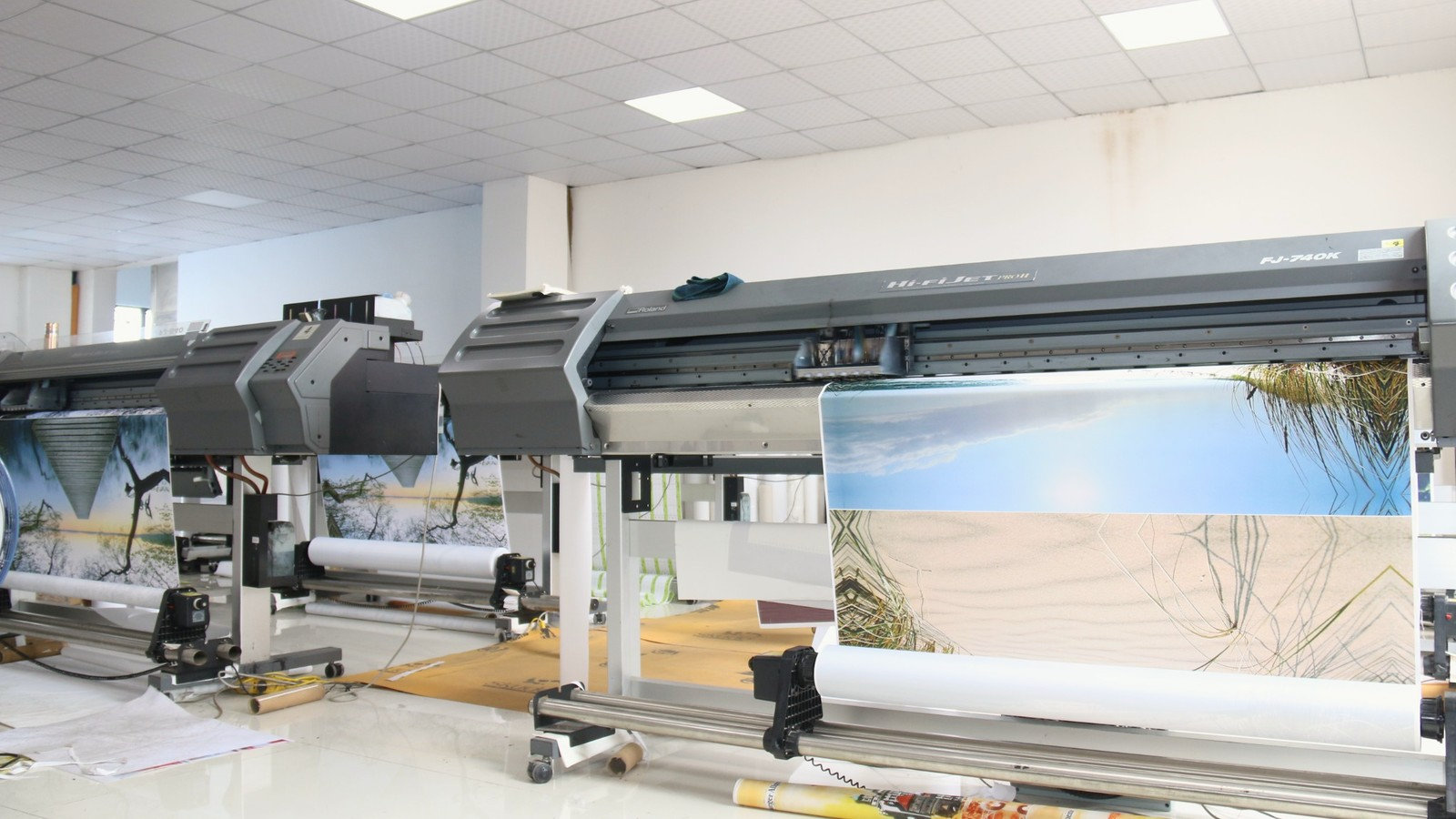
For this reason, finished printable canvas should be evaluated through real printing tests. Depending on the individual product, Colors Art develops canvas for aqueous pigment, solvent, eco-solvent, latex and UV printing applications.
During printing evaluation, we focus on practical performance factors such as color reproduction, ink absorption, image detail, surface appearance and coating stability.
4. From Production Line to Bulk Printable Canvas Rolls
For professional printers and distributors, consistent quality must also be supported by reliable volume production. Once the canvas construction, coating system and printing performance are confirmed, large-format rolls can be produced according to the required specifications.
Bulk roll production requires stable control of canvas width, roll formation, surface condition and overall production consistency. This is particularly important for customers who use the same media continuously across multiple printing jobs or reorder on a regular basis.
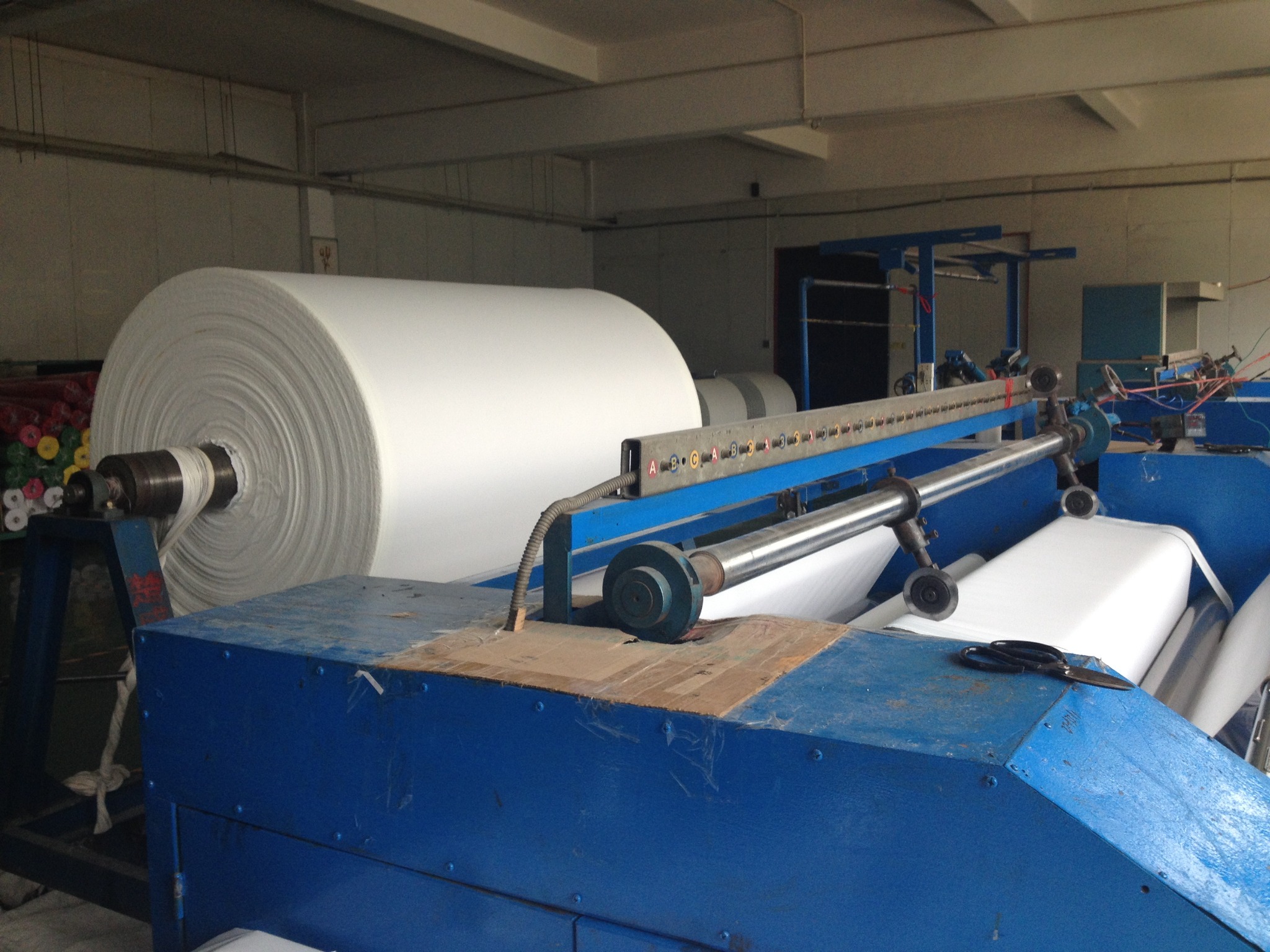
For customers purchasing in volume, stable production helps reduce variation between shipments and supports more predictable printing performance.
5. GSM Alone Does Not Define a Better Printable Canvas
One common mistake when comparing printable canvas is to assume that a heavier GSM automatically means better quality. In practice, GSM is only one specification.
A well-developed lighter canvas can perform better than a heavier canvas if it has a more suitable fabric construction, more stable coating, better ink compatibility and more consistent production control.
Professional buyers should therefore evaluate printable canvas by considering multiple factors together, including material composition, weave, coating technology, surface texture, printing compatibility, stretching behavior and production consistency.
6. Printable Canvas Manufacturing at Colors Art
Colors Art manufactures a wide range of inkjet printable canvas using polyester, poly-cotton and cotton base fabrics. Different surface options include matte, semi-matte, glossy and specialty finishes for professional printing applications.
Our printable canvas range supports different roll widths, lengths and core specifications, with selected products available in widths up to 3.2 meters. OEM specifications and customized coating development can also be discussed according to project requirements.
In addition to printable canvas, Colors Art also manufactures artist canvas, wooden stretcher bars and assembled canvas frames, allowing professional printing and framing customers to source multiple canvas-related products from one manufacturing supplier.
7. How to Choose the Right Canvas for Your Printer
The most suitable printable canvas depends on the printer, ink technology, desired surface finish, target application and production requirements.
When requesting a recommendation, providing the following information helps us evaluate suitable options more accurately:
- Printer brand and model
- Ink technology
- Preferred material: polyester, poly-cotton or cotton
- Required GSM or thickness range
- Matte, semi-matte or glossy finish
- Roll width and length
- 2-inch or 3-inch core requirement
- Final application, such as photo canvas, wall art or gallery-wrap production
Looking for a printable canvas for a specific printer or application?
Send us your printer model, ink technology, preferred canvas material, GSM, finish and roll size. Colors Art can recommend suitable printable canvas options for testing and evaluation.